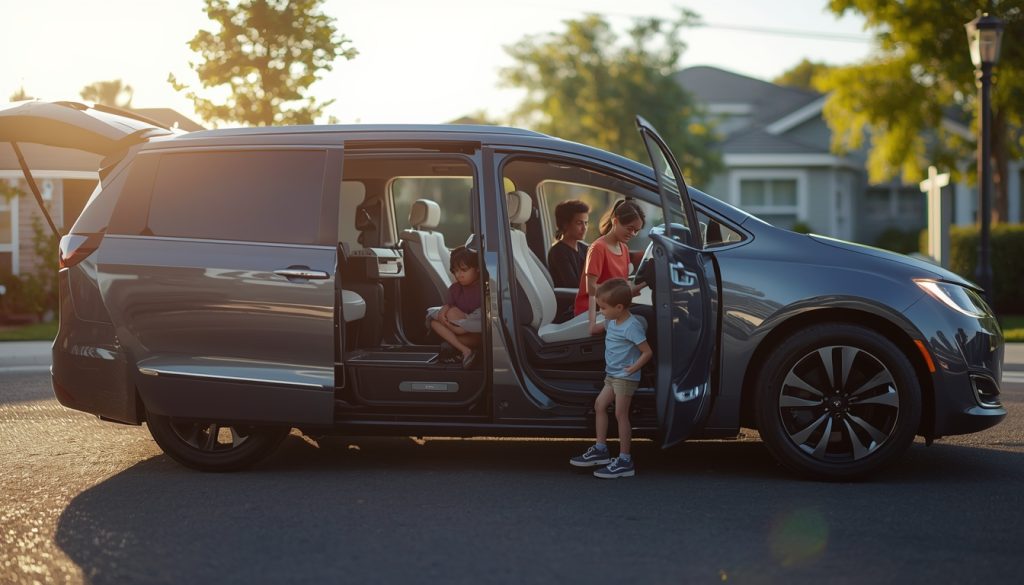


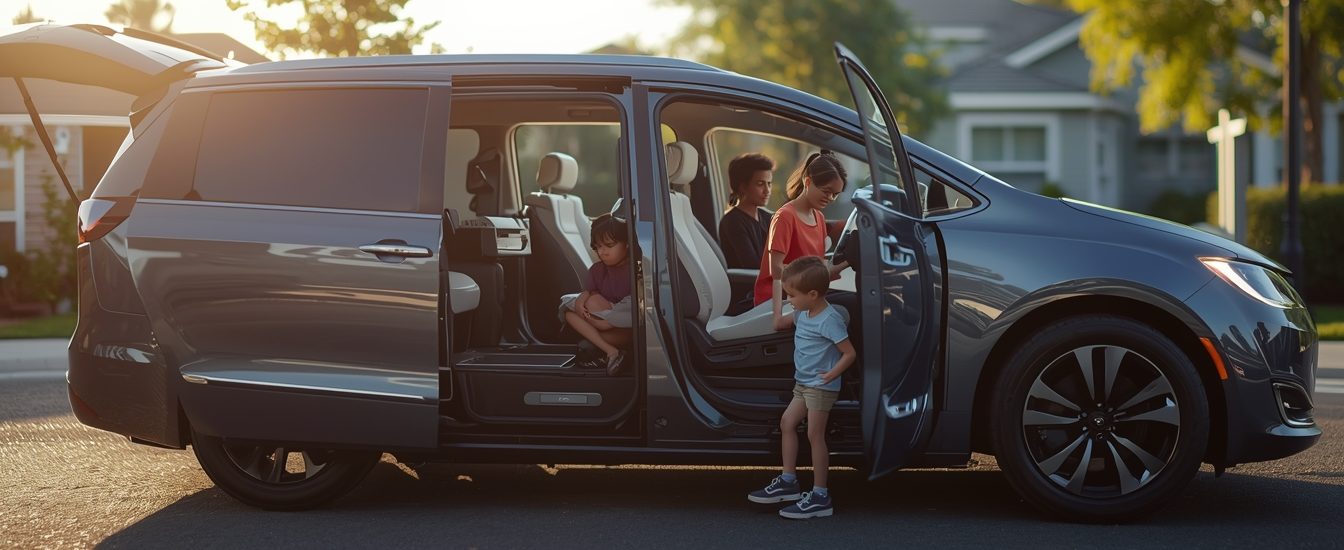

Did you know over 40% of American families are thinking about switching to electric cars? They want to be eco-friendly without giving up space. As we start the new year, there are more electric minivans than ever to choose from.
Families are choosing these green cars for school runs and weekend trips. They offer unmatched convenience and save money over time. Today’s electric minivans are safe and comfy for everyone.
Key Takeaways
- Sustainable family transport is becoming the top choice for American households.
- Newer models offer significant savings on fuel and maintenance costs.
- Safety features in modern family vehicles have reached an all-time high.
- Choosing the right vehicle requires balancing your budget with daily driving needs.
- The 2026 market provides more variety than ever for eco-conscious parents.
Assessing Your Family Needs Before Buying an Electric Minivan
Finding the right family electric vehicle starts with knowing your lifestyle. Before you go to the showroom, think about how a new car will fit into your life. Understanding your needs ensures you choose a car that will last for your family.
Determining Passenger Capacity and Seating Configurations
Most family-friendly electric cars have flexible seating. But, the layout is key for comfort. Think about how many car seats you need and if older kids or adults will sit in the back.
- Check for easy access to the back seats.
- Look for sliding doors that simplify loading in tight parking spots.
- Verify that the middle row offers enough legroom for growing teenagers.
Calculating Daily Commute and Range Requirements
Your electric vehicle range is very important for peace of mind. Track your weekly mileage to see if a model meets your needs. Most modern minivans handle school runs and grocery trips well.
Use this table to estimate your needs:
| Usage Type | Typical Daily Miles | Recommended Range |
|---|---|---|
| Urban Commuting | 20–40 miles | 250+ miles |
| Suburban School Runs | 40–80 miles | 300+ miles |
| Occasional Road Trips | 100+ miles | 350+ miles |
Evaluating Cargo Space for Road Trips and Sports Gear
Comfort for passengers is important, but so is space for your stuff. Whether it’s soccer equipment or vacation gear, having enough room is key. Many family-friendly electric cars now have “frunks” for extra storage.
Always check if your biggest items fit when all seats are used. A good electric vehicle range is great, but space for your life makes trips better. Focus on these details to find a car that supports your family’s adventures.
Understanding the Current Market for the Electric Minivan

Choosing an electric minivan today is exciting. The car world has changed, making big vehicles both green and spacious. The 2026 models offer big improvements in design and use.
Technological Advancements in 2026 Battery Efficiency
This year, battery technology has made a huge leap. Cars now have impressive range and lots of room inside. You can go far on one charge and enjoy comfort for everyone.
These new batteries also make cars lighter. This means your car stays efficient, even when full of people and stuff. Efficiency is key for electric cars.
Safety Features and Driver Assistance Systems to Prioritize
Keeping your family safe is most important. Today’s EV safety features include advanced sensors. Look for cars with strong collision avoidance and lane-keeping help.
Many 2026 cars have 360-degree cameras for easier parking. These cameras are great for big cars where seeing around is hard. Always choose cars with top safety ratings.
Charging Infrastructure and Home Installation Considerations
More EV charging stations are popping up everywhere. This makes long trips easier. You can charge up quickly at highway stops.
Having a home EV charger is super convenient. It means you always start the day with a full battery. Here’s a comparison to help you choose:
| Feature Category | Standard Capability | Premium Advantage |
|---|---|---|
| Safety Tech | Basic Collision Alert | Full Autonomous Assist |
| Charging Speed | Level 2 Home Charging | DC Fast Charging |
| Battery Range | 300 Miles | 400+ Miles |
| Driver Support | Adaptive Cruise | Hands-Free Highway Pilot |
Step One: Setting a Realistic Budget for Your Electric Vehicle
Switching to a family electric vehicle is exciting. But first, you need to understand the true cost. The initial price might seem high, but the long-term savings are worth it. Planning ahead helps ensure your new car fits your budget.
Factoring in Federal and State Tax Incentives
Using electric car tax credits can lower your initial cost. Many families get federal incentives that reduce the EV’s price. Also, check your state’s programs for extra rebates or tax breaks.
Here are some tips to save more:
- Check if you qualify based on your income.
- Make sure your chosen model meets federal credit requirements.
- Look for local rebates for home charger installations.
Comparing Total Cost of Ownership Versus Gas-Powered Alternatives
When looking at EV ownership costs, consider more than just monthly payments. EVs need less maintenance than gas cars. You won’t have to worry about oil changes or complex repairs.
Electricity is also cheaper than gasoline. Over time, these savings add up. Use a calculator to compare your fuel costs to electricity costs for your commute.
Financing Options and Leasing Strategies for Families
Choosing the right electric vehicle financing is key. Many families prefer auto loans to build equity. But leasing is popular for those who want the latest tech every few years.
Think about these when choosing:
- Leasing: Offers lower payments and warranty coverage.
- Financing: Ideal for long-term ownership.
- Down Payments: Can lower interest rates and monthly payments.
Step Two: Researching Top Contenders in the Electric Minivan Segment

Looking at the 2026 EV models will help you find the perfect electric minivan for your family. It’s exciting to compare the top contenders. This way, you can pick the one that looks good and meets your needs.
The Chrysler Pacifica EV: Balancing Tradition and Innovation
The Chrysler Pacifica is a favorite for families, and its electric version is eagerly awaited. It keeps the classic sliding door convenience everyone loves. At the same time, it brings new battery tech for a modern feel.
The Volkswagen ID. Buzz: Retro Style Meets Modern Utility
The Volkswagen ID. Buzz is a standout for its unique design. It’s a nod to the classic microbus but with a modern, electric twist. It’s ideal for families who love a mix of old-school charm and new tech.
The Kia EV9: A Versatile Three-Row Electric Powerhouse
The Kia EV9 is a hit for those needing lots of space and power. It’s a dedicated three-row electric minivan with great range and fast charging. Its bold look and cutting-edge safety features make it great for active families.
| Model | Primary Strength | Best For |
|---|---|---|
| Chrysler Pacifica EV | Proven Family Layout | Traditionalists |
| Volkswagen ID. Buzz | Iconic Design | Style-Conscious |
| Kia EV9 | Performance & Space | Large Families |
Step Three: Conducting Effective Test Drives with Your Family
When you test drive a car, it’s not just about the numbers. It’s about how it feels with your family inside. An electric minivan test drive is a great way to see if a car fits your life. Make sure the car meets your family’s needs before you buy it.
Testing Ease of Entry and Exit for Children and Seniors
First, see how easy it is for everyone to get in and out. If you have little ones, check the door weight and step height. Low floor heights are great for kids and seniors with mobility issues.
Try moving the second and third-row seats yourself. They should be easy to fold or slide, even with stuff in your hands. Easy access to the back row makes mornings less stressful.
Evaluating Infotainment Systems and Rear-Seat Entertainment
Today’s cars are like mobile homes, so play with the dashboard. Make sure the menus are simple and the screen responds fast. User-friendly software is key for quick adjustments on long trips.
Check out the back-seat entertainment too. Ensure the screens are kid-friendly and the sound is clear. Keeping the kids happy is key for a good trip.
Assessing Ride Comfort and Cabin Noise Levels
Even electric cars can be quiet, but listen for any extra noise. A quiet cabin makes talking easier and helps everyone relax. Look out for any rattles or shakes that might mean the car isn’t built well.
Lastly, test the seats in all three rows. Drive on different roads to see how the car handles. Choosing the right family-friendly electric cars means finding a balance between comfort and performance.
Step Four: Comparing Charging Speeds and Battery Longevity
Learning how to manage your electric minivan’s energy is key to a stress-free life. Buying an electric minivan means more than just a car; it’s a new way to power your family’s daily life. Knowing how your vehicle handles energy lets you travel longer and with less worry.
Fast Charging Capabilities for Long-Distance Travel
If your family loves road trips, look for a minivan with strong DC fast-charging. These systems charge your battery quickly at EV charging stations. Choose models that support high-kilowatt rates to cut down wait times at stops.
Efficiency is key for family travel. Pick a minivan that can charge from 10% to 80% in under 30 minutes. Always check the manufacturer’s specs for peak charging speeds before buying.
Understanding Battery Warranty Coverage and Degradation
Every electric vehicle battery loses some capacity over time. But, thanks to modern tech, EV battery longevity has improved a lot. Most makers offer long warranties that cover battery health and performance.
“The longevity of an electric vehicle battery is largely determined by how you manage your charging cycles and temperature exposure over the life of the car.”
It’s vital to understand what a “defective” battery means. Most warranties promise the battery will keep about 70% of its original capacity for a certain time or miles. This gives you peace of mind for the long haul.
Optimizing Home Charging Setups for Overnight Power
A home EV charger is a game-changer for most families. A Level 2 charger in your garage means a full battery every morning. This makes daily stops at public stations unnecessary during the week.
When setting up your charger, think about your home’s electrical capacity. A pro electrician can check if your panel needs an upgrade for faster charging. Proper planning means your vehicle is always ready for school runs or grocery trips.
| Charging Level | Typical Power Source | Charging Speed | Best Use Case |
|---|---|---|---|
| Level 1 | Standard 120V Outlet | Very Slow | Emergency or light use |
| Level 2 | 240V Home Charger | Moderate/Fast | Daily overnight charging |
| DC Fast Charge | Public Stations | Very Fast | Long-distance road trips |
Step Five: Finalizing Your Purchase and Insurance Coverage
Once you’ve picked your dream vehicle, it’s time to deal with the money and paperwork. This last step makes sure your investment is safe and you’re ready to drive with confidence. Taking your time will help you avoid common mistakes during the final steps.
Negotiating Dealer Fees and Add-on Packages
When you’re ready to sign, look closely at the list of costs. Dealers might add extras like nitrogen-filled tires or extended service plans. You can say no to these if they don’t add real value to your family.
Always ask for a clear explanation of each fee. If something seems unclear or too high, ask to have it removed. Being open is key when talking to the dealer.
| Fee Type | Negotiability | Recommendation |
|---|---|---|
| Documentation Fee | Low | Check state limits |
| Paint Protection | High | Decline |
| VIN Etching | High | Decline |
| Extended Warranty | Medium | Evaluate carefully |
Selecting the Right Insurance Policy for Electric Vehicles
Finding the right electric car insurance is key for new owners. Electric cars have special tech and batteries, so you need a policy that gets it. Standard insurance might not cover your car fully.
Look for insurers that offer EV-specific benefits. Comparing quotes from different companies will help you find the best balance of coverage and cost. Make sure your policy covers the full cost of replacing the battery pack if needed.
Registering Your Vehicle and Setting Up Digital Services
After you’ve paid for your car, you need to handle the paperwork. Dealers often help with registration, but double-check that everything is correct with your DMV. Keep your registration in the glove box for easy access.
Also, set up your car’s digital services and mobile app. These are key for updates and tracking your charge. Linking your account right away keeps your minivan connected and ready for your family’s needs.
Maintaining Your Electric Minivan for Long-Term Reliability
Keeping your family vehicle in top shape is easier than you might think with the right approach to electric maintenance. Unlike traditional gas-powered cars, your new vehicle relies heavily on digital systems and specialized hardware to perform at its best. By staying proactive, you ensure your investment remains safe and efficient for many years.
Routine Software Updates and Over-the-Air Improvements
Modern vehicles function much like a smartphone on wheels. Manufacturers frequently release over-the-air (OTA) updates that can improve your range, optimize charging speeds, and even add new safety features without you ever visiting a dealership.
Always ensure your vehicle is connected to a stable Wi-Fi network when these updates become available. Keeping your software current is a vital part of your electric minivan ownership experience, as it often patches bugs and enhances overall system performance.
Tire Maintenance and Suspension Care for Heavier EVs
Because battery packs add significant weight to the chassis, your vehicle puts more pressure on its tires and suspension components. You should check your tire pressure regularly to prevent uneven wear and maintain optimal efficiency.
It is also wise to have your suspension inspected during your annual service visit. Proper alignment is essential for heavier vehicles to ensure a smooth ride and to protect the integrity of your tires over time.
Seasonal Battery Care Tips for Extreme Weather
Protecting your EV battery longevity is critical, even more so in extreme weather. Extreme temperatures can temporarily reduce your range and put extra strain on the battery management system.
When parking in extreme heat, try to keep your vehicle in a garage or shaded area to prevent the cooling system from working overtime. During winter, keeping your car plugged in while pre-conditioning the cabin helps preserve your battery health by using grid power instead of stored energy.
| Maintenance Task | Frequency | Key Benefit |
|---|---|---|
| Software Updates | As Available | System Optimization |
| Tire Rotation | Every 6,000 Miles | Even Tread Wear |
| Cabin Air Filter | Every 12,000 Miles | Air Quality |
| Brake Fluid Check | Every 2 Years | Safety Reliability |
Conclusion
Choosing the right electric minivan is a smart move. It saves you money on fuel and helps the environment. Now, you know how to pick the best one for your family.
Switching to electric cars can change your daily life for the better. Cars like the Chrysler Pacifica, Volkswagen ID. Buzz, and Kia EV9 are leading the way. Each one has special benefits for your family.
You’re ready to find and buy the perfect electric minivan. This choice will make your life better and help the planet. It’s a step towards a greener future.
Visit a local dealership to see these cars up close. This is your chance to start a cleaner, more efficient life. We wish you the best as you choose the future of family cars.
FAQ
Which 2026 electric models are best for a large family?
For 2026, look for cars that are big inside and tech-savvy. The Volkswagen ID. Buzz is stylish and practical. The Chrysler Pacifica EV is great for family comfort. The Kia EV9 is a strong, SUV-like option with three rows.
How do federal and state tax incentives help lower the cost of an electric minivan?
Buying a qualifying electric vehicle can get you up to $7,500 off with the Federal EV Tax Credit. Many states also offer rebates. These savings make electric vans more affordable than gas cars.
What should I consider when installing a home EV charger?
You’ll want a Level 2 charger, which needs a 240-volt outlet like a dryer. This lets you charge your EV overnight. It’s smart to get a certified electrician to check your home’s electrical system.
Is the maintenance for an electric minivan different from a gas-powered one?
Yes, electric cars need less maintenance. No oil changes or exhaust repairs are needed. You’ll focus on software updates and tire rotations for reliability.
How much range do I actually need for daily family use?
A range of 250 to 300 miles is usually enough for daily use. For longer trips, look for fast-charging capabilities. This lets you charge quickly at public stations.
What safety features are most important in a 2026 electric minivan?
Look for advanced safety features like blind-spot monitoring and automatic emergency braking. An audible alert system is also key for safety in quiet electric vehicles.
How can I protect my EV battery life during extreme weather?
Keep your EV cool in the summer and warm in the winter. Use pre-conditioning to warm the battery and cabin while charging. This saves your range for driving.
Can I easily fit car seats and sports gear in these 2026 models?
Yes, you can. Bring your car seats for a test drive. Models like the Kia EV9 and Chrysler Pacifica EV offer lots of space and flexibility for gear.